
RESTAURANT INVENTORY LOANS ARE AVAILABLE
RESTAURANT LOAN MATCHING SERVICE
Funding for the kitchen, behind every great meal.
- Soft credit pull
- No cost to you
- Private & secure
Specialty Lenders
restaurant-focused network
Soft Credit Pull
no impact to score
Soft Credit Pull
No hard inquiry at matching
No Cost To You
Specialty Lenders
One Application
Financing for every stage
of your kitchen.
Working Capital
Equipment Financing
Build-Out & Renovation
Acquisition Loans
Fast Cash Advances
Real Estate Loans
From inquiry to funded in four
steps.
1
Tell Us About Your Kitchen
Quick form — your concept, monthly sales, time in business, financing need. No credit pull, no commitment.
2
Get Matched
3
Compare Offers
4
Fund & Cook
Estimate Your Monthly Payment
Move the sliders. See how loan amount, term, and rate shape your monthly cost. Estimates only — your real offer depends on your matched lender.
Rate slider is for estimation only. Actual rates vary by loan type, lender, restaurant cash flow, and credit profile.
Estimates only. Not an offer of credit. Actual terms determined by lender.
Who We Serve
Built for every concept in the
kitchen.
Fine Dining
Full-service, white tablecloth
Fast Casual
Cafés & Coffee
Bakeries
Food Trucks
Meat Kitchens
Catering
Franchises
Why BistroLoan
Lenders who speak restaurant.
Restaurant-Specific Underwriting
One Application, Multiple Offers
No Cost to You. Ever.
Fast & Confidential
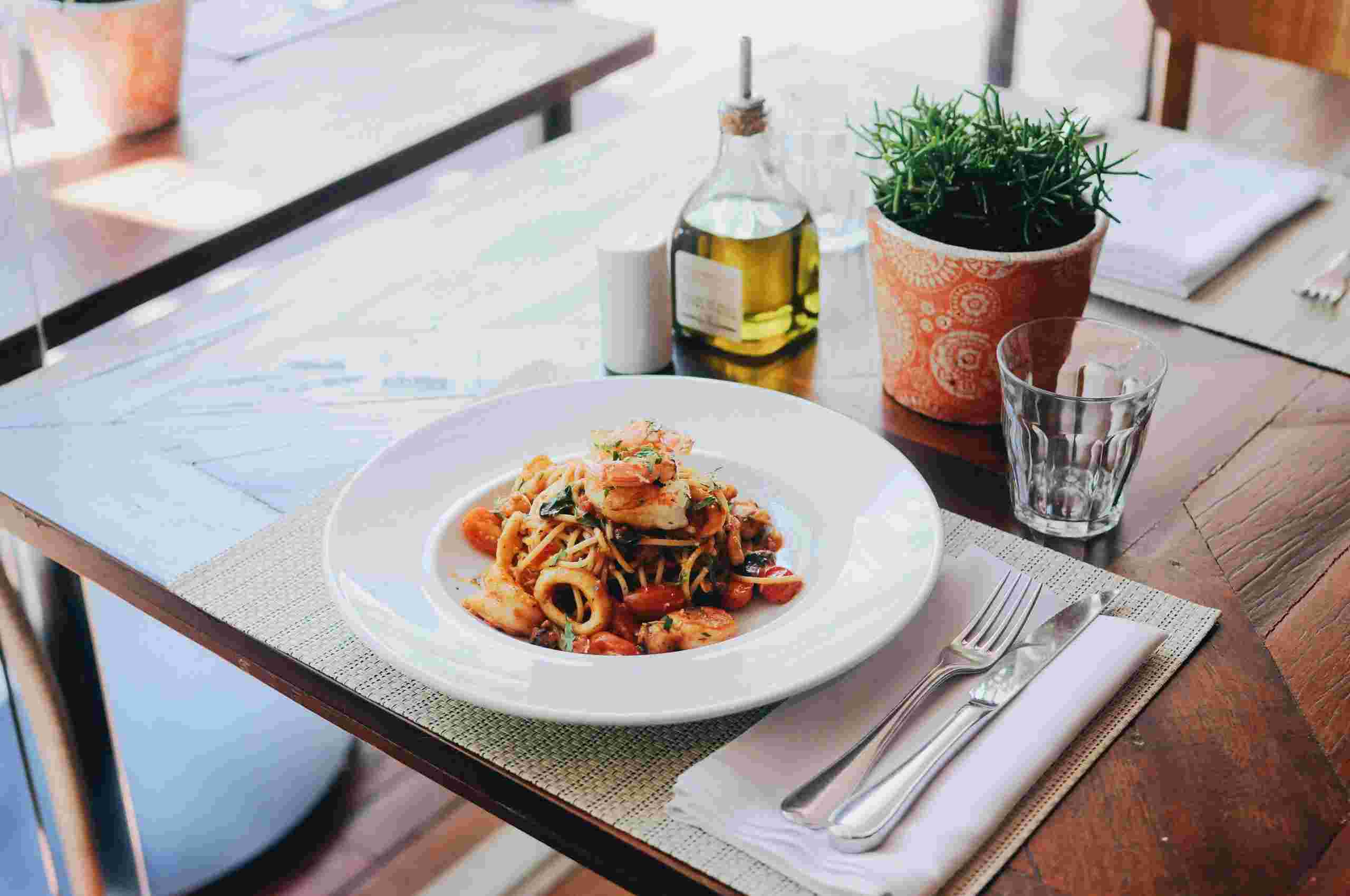
A simple, transparent matching
process.
Affiliate Disclosure: We are an affiliate marketing website and may receive compensation from lending partners. We are not a lender, do not make credit decisions, and do not guarantee approval. Loan terms and rates are determined by individual lenders.
Ready to grow your kitchen?
BELOW THIS LINE IS FOR SEO RANKING AND INFORMATION PURPOSES!!!
Restaurant Inventory Loans: Financing Inventory for a Mexican Sit-Down Restaurant
Inventory is one of the most important assets in any restaurant business. Without sufficient inventory, a restaurant cannot serve customers, generate revenue, or maintain customer satisfaction. For Mexican restaurants in particular, inventory management is especially important because of the wide variety of fresh ingredients, meats, produce, beverages, spices, and specialty items required to prepare authentic menu offerings.
As food costs continue to fluctuate and customer demand remains unpredictable, many restaurant owners seek Restaurant Inventory Loans to maintain adequate stock levels while preserving working capital. Inventory financing can help restaurants purchase supplies in bulk, prepare for seasonal demand, and avoid cash-flow shortages that might otherwise limit growth.
This guide explains everything restaurant owners need to know about inventory financing, using a Mexican sit-down restaurant as an example.
What Are Restaurant Inventory Loans?
Restaurant Inventory Loans are financing solutions designed to help restaurant owners purchase inventory without immediately using operating cash.
Funding may be used for:
- Food purchases
- Beverage inventory
- Bulk ingredient orders
- Seasonal inventory increases
- Supply purchases
- Specialty ingredients
Many restaurants use Restaurant Inventory Loans to maintain consistent inventory levels while managing cash flow effectively.
Why Inventory Matters in Mexican Restaurants
Mexican restaurants typically carry a larger variety of ingredients than many other restaurant concepts.
A typical menu may include:
- Tacos
- Burritos
- Enchiladas
- Quesadillas
- Fajitas
- Tamales
- Soups
- Seafood dishes
- Specialty desserts
Each menu item requires multiple ingredients and inventory categories.
Typical Inventory Categories
A Mexican sit-down restaurant generally maintains inventory in several key areas.
Proteins
Examples include:
- Ground beef
- Steak
- Chicken
- Pork
- Shrimp
- Fish
- Chorizo
Produce
Fresh produce often includes:
- Tomatoes
- Lettuce
- Cilantro
- Onions
- Avocados
- Jalapeños
- Bell peppers
- Limes
Dairy Products
Common dairy inventory:
- Shredded cheese
- Queso
- Sour cream
- Butter
Dry Goods
Examples include:
- Rice
- Beans
- Flour
- Cornmeal
- Tortillas
- Seasonings
Inventory Costs Can Add Up Quickly
Inventory is often one of the largest expenses for a restaurant.
Typical monthly inventory spending for a successful Mexican restaurant may range from:
| Restaurant Size | Monthly Inventory |
|---|---|
| Small Location | $8,000 – $20,000 |
| Medium Location | $20,000 – $50,000 |
| Large Location | $50,000 – $150,000+ |
These expenses must often be paid before revenue is collected.
Why Restaurants Use Inventory Financing
Several situations commonly create inventory financing needs.
Examples include:
- Seasonal sales increases
- Catering contracts
- Expansion projects
- New menu launches
- Bulk purchasing opportunities
Many operators use Restaurant Inventory Loans to take advantage of growth opportunities without disrupting daily operations.
Example Inventory Allocation
A Mexican restaurant’s monthly inventory budget may look like this:
Inventory Challenges Restaurant Owners Face
Restaurant inventory management is not simple.
Common challenges include:
Food Spoilage
Fresh ingredients have limited shelf life.
Supply Chain Disruptions
Availability can change unexpectedly.
Price Volatility
Food prices frequently fluctuate.
Seasonal Demand
Customer traffic varies throughout the year.
Financing can provide flexibility when these challenges arise.
QSR Growth Financing and Inventory Expansion
Many restaurant owners eventually expand into quick-service operations.
For example:
- A sit-down Mexican restaurant
- A fast-casual taco concept
- A drive-thru operation
Growth often requires larger inventory purchases.
Many operators combine inventory financing with QSR Growth Financing when expanding into additional restaurant formats.
Inventory Requirements During Expansion
Expansion often increases inventory needs significantly.
Additional requirements may include:
- Larger storage facilities
- Increased refrigeration
- Additional suppliers
- More frequent deliveries
Proper planning is essential.
Fast Food Restaurant Financing and Inventory Management
Fast-food restaurants rely heavily on efficient inventory systems.
Inventory turnover tends to be faster because:
- Customer volume is higher
- Menu items are standardized
- Storage systems are optimized
Many businesses combine Fast Food Restaurant Financing with inventory funding when opening new locations or upgrading facilities.
Restaurant Onboarding Financing and Staff Training
Inventory systems are only effective when employees know how to use them properly.
Training may include:
- Receiving procedures
- Inventory counts
- Waste management
- Portion control
- Vendor management
Many growing restaurants utilize Restaurant Onboarding Financing when hiring and training new employees.
Why Training Matters
Proper training helps:
- Reduce waste
- Improve profitability
- Increase inventory accuracy
- Prevent theft
- Improve customer service
Well-trained staff often save restaurants substantial money over time.
Inventory Technology Systems
Modern restaurants frequently use software to manage inventory.
Popular features include:
- Real-time tracking
- Purchase order management
- Vendor comparisons
- Cost analysis
- Forecasting
Technology investments often improve efficiency and reduce waste.
Restaurant Financing Options Beyond Inventory Loans
Restaurant owners should understand that inventory financing is only one solution.
Other common Restaurant Financing Options include:
- Equipment financing
- Working capital loans
- Business lines of credit
- Expansion loans
- Real estate financing
The right solution depends on the specific needs of the business.
Advantages of Inventory Financing
Benefits may include:
- Preserved cash flow
- Bulk purchasing opportunities
- Increased purchasing power
- Better vendor relationships
- Improved inventory availability
Many successful operators use inventory financing strategically.
Common Inventory Mistakes
Avoid:
- Overstocking
- Poor forecasting
- Weak vendor relationships
- Inaccurate inventory counts
- Insufficient storage capacity
These mistakes can reduce profitability.
Example Growth Scenario
Imagine a Mexican restaurant generating:
- $1.5 million annual revenue
After expanding catering services and adding a second location:
- Revenue grows to $3 million+
However, inventory needs may also double.
Financing can help support this growth.
Choosing Vendors
Strong supplier relationships are critical.
Consider:
- Reliability
- Pricing
- Delivery schedules
- Product quality
- Credit terms
Vendor relationships often influence profitability.
Internal Links
Recommended internal links:
- /restaurant-inventory-loans
- /qsr-growth-financing
- /fast-food-restaurant-financing
- /restaurant-onboarding-financing
- /restaurant-financing-options
- /restaurant-business-loans
- /mexican-restaurant-financing
External Links
Helpful resources:
- https://www.sba.gov
- https://www.restaurant.org
- https://www.score.org
- https://www.foodsafety.gov
- https://www.irs.gov/businesses
Final Thoughts
Inventory is the lifeblood of every restaurant, and Mexican restaurants often have especially complex inventory requirements due to their wide range of fresh ingredients, proteins, produce, dairy products, and specialty items. Maintaining proper inventory levels is essential for customer satisfaction, profitability, and long-term success. Many operators utilize Restaurant Inventory Loans to purchase inventory, manage seasonal fluctuations, and support business growth while preserving working capital. As businesses expand, financing solutions such as QSR Growth Financing, Fast Food Restaurant Financing, Restaurant Onboarding Financing, and other Restaurant Financing Options can help support staffing, technology, inventory management, and operational growth.
With proper planning, effective inventory controls, and access to financing when needed, restaurant owners can maintain consistent operations, improve profitability, and position their businesses for sustainable long-term growth.
Fast Food Restaurant Financing: What Makes Quick-Service Restaurants Different?
The restaurant industry includes many different business models, but few have grown as rapidly as the fast-food sector. Quick-service restaurants (QSRs) serve millions of customers every day and often generate higher customer volume than traditional sit-down restaurants. However, opening, operating, and expanding a fast-food restaurant requires significant capital.
Many entrepreneurs seek Fast Food Restaurant Financing to fund construction, equipment purchases, inventory, staffing, technology, and growth initiatives. Whether you are opening a burger restaurant, chicken concept, taco shop, sandwich chain, coffee drive-thru, or pizza carryout location, understanding the financing needs of fast-food operations is essential.
This guide explains how fast-food restaurants differ from sit-down restaurants, the types of funding available, and how operators can use financing to grow successfully.
What Is Fast Food Restaurant Financing?
Fast Food Restaurant Financing refers to funding solutions specifically designed for quick-service restaurant operators.
Funds may be used for:
- Construction
- Equipment purchases
- Drive-thru installations
- Technology systems
- Inventory purchases
- Working capital
- Franchise fees
- Expansion projects
Because QSR businesses typically focus on speed, efficiency, and volume, their financing needs often differ from those of traditional restaurants.
What Is a Fast-Food Restaurant?
Fast-food restaurants generally feature:
- Counter service
- Drive-thru service
- Limited table service
- Standardized menus
- High customer volume
- Fast food preparation
Examples include:
- Burger restaurants
- Taco concepts
- Sandwich shops
- Chicken restaurants
- Pizza carryout operations
- Coffee drive-thrus
Many operators use Restaurant Financing Options to launch and scale these businesses.
Fast Food vs. Sit-Down Restaurants
One of the biggest differences involves customer experience.
Sit-Down Restaurant Characteristics
Traditional restaurants often include:
- Servers
- Larger dining rooms
- Longer customer visits
- Extensive menus
- Higher labor costs
Fast-Food Restaurant Characteristics
Quick-service operations typically focus on:
- Speed
- Convenience
- Drive-thru service
- Online ordering
- Standardized menus
The business model affects financing needs significantly.
Equipment Requirements for Fast-Food Restaurants
Fast-food operations often require specialized equipment.
Examples include:
- High-capacity fryers
- Flat-top grills
- Conveyor ovens
- Holding cabinets
- Beverage stations
- Drive-thru communication systems
Many operators use Fast Food Restaurant Financing to purchase this equipment.
Equipment Requirements for Sit-Down Restaurants
Sit-down restaurants often require:
- Larger dining rooms
- More furniture
- Decorative fixtures
- Expanded kitchen equipment
- Full-service bars
Although both restaurant types require financing, the allocation of funds differs considerably.
Technology Is More Important in Fast Food
Modern fast-food restaurants rely heavily on technology.
Examples include:
- Self-order kiosks
- Mobile ordering apps
- Online ordering systems
- Loyalty programs
- Kitchen display systems
Many operators combine Restaurant Onboarding Financing with technology investments to train staff on new systems.
Typical Startup Costs
Startup costs vary significantly.
| Expense Category | Fast Food Restaurant | Sit-Down Restaurant |
|---|---|---|
| Construction | $200,000-$1M+ | $300,000-$2M+ |
| Equipment | $75,000-$500,000 | $100,000-$750,000 |
| Furniture | $20,000-$100,000 | $50,000-$250,000 |
| Technology | $15,000-$100,000 | $10,000-$50,000 |
| Inventory | $10,000-$50,000 | $15,000-$75,000 |
Inventory Management
Fast-food restaurants often require efficient inventory systems.
Common inventory includes:
- Frozen products
- Beverage syrups
- Packaging supplies
- Condiments
- Bulk proteins
Many operators use Restaurant Inventory Loans to maintain adequate inventory levels while preserving cash flow.
Why Inventory Financing Matters
Inventory must be purchased before sales occur.
Benefits include:
- Bulk purchasing discounts
- Better supplier relationships
- Improved cash flow
- Seasonal inventory planning
Successful operators frequently utilize Restaurant Inventory Loans during growth periods.
Staffing Requirements
Fast-food restaurants generally require:
- Shift managers
- Cashiers
- Line cooks
- Drive-thru employees
Sit-down restaurants may require:
- Servers
- Bartenders
- Hosts
- Bussers
- Kitchen staff
Training costs can be substantial.
Restaurant Onboarding Financing
When expanding, restaurants often hire multiple employees simultaneously.
Funding may support:
- Training wages
- Orientation programs
- Certification costs
- New management hires
Many growing restaurant operators utilize Restaurant Onboarding Financing to support workforce development.
Drive-Thru Advantages
One major difference between fast-food and sit-down restaurants is the drive-thru.
Benefits include:
- Increased sales volume
- Faster service
- Improved convenience
- Weather-resistant revenue
Drive-thru customers frequently represent a significant percentage of total sales.
QSR Growth Financing and Expansion
Many successful operators expand from one location to several locations.
Growth projects may include:
- New locations
- Additional drive-thrus
- Expanded kitchens
- Franchise development
Many operators seek QSR Growth Financing when scaling their businesses.
Expansion Cost Example
A growing taco restaurant may invest:
| Category | Cost |
| New Building | $700,000 |
| Equipment | $250,000 |
| Technology | $50,000 |
| Inventory | $40,000 |
| Staffing | $60,000 |
| Working Capital | $150,000 |
Total Expansion Cost: $1.25 Million
Growth Comparison
Simple illustration of revenue potential:
| Business Stage | Annual Revenue |
| One Location | $1.2 Million |
| Two Locations | $2.7 Million |
| Three Locations | $4.1 Million |
| Four Locations | $6 Million |
QSR Revenue Growth Example
Location 1   ██████████
Location 2   ██████████████████
Location 3   ███████████████████████████
Location 4   ████████████████████████████████████
This example illustrates how additional locations may increase revenue opportunities.
Restaurant Financing Options Available
Several financing solutions may be available.
Popular Restaurant Financing Options include:
- Equipment financing
- Working capital loans
- Business lines of credit
- Commercial real estate loans
- Franchise financing
- Inventory financing
The appropriate solution depends on the restaurant’s goals.
Benefits of Fast-Food Financing
Advantages include:
- Preserved cash reserves
- Faster expansion
- Improved equipment access
- Increased inventory purchasing power
- Better technology adoption
Many successful operators rely on Fast Food Restaurant Financing throughout the growth cycle.
Common Mistakes to Avoid
Avoid:
- Underestimating startup costs
- Insufficient working capital
- Poor site selection
- Inadequate staffing plans
- Weak inventory controls
Careful planning improves the likelihood of success.
Signs Your Restaurant Is Ready to Expand
Expansion may be appropriate when:
- Sales are consistently strong
- Customer demand exceeds capacity
- Management systems are established
- Cash flow is stable
Many operators pursue QSR Growth Financing after achieving success at their initial location.
Internal Links
Recommended internal links:
- /restaurant-inventory-loans
- /qsr-growth-financing
- /restaurant-onboarding-financing
- /restaurant-financing-options
- /restaurant-business-loans
- /restaurant-expansion-loans
- /contact-us
External Links
Helpful resources:
- https://www.sba.gov
- https://www.restaurant.org
- https://www.score.org
- https://www.foodsafety.gov
- https://www.irs.gov/businesses
Final Thoughts
Fast-food restaurants and traditional sit-down restaurants may serve similar customers, but their business models are very different. Quick-service operations focus heavily on speed, efficiency, technology, drive-thru capabilities, inventory management, and customer volume. These differences create unique financing requirements that often include equipment purchases, inventory funding, staffing investments, and technology upgrades. Through solutions such as Fast Food Restaurant Financing, Restaurant Inventory Loans, Restaurant Onboarding Financing, QSR Growth Financing, and other Restaurant Financing Options, operators can access the capital necessary to launch, operate, and expand successful restaurant businesses.
Understanding these differences allows restaurant owners to make smarter decisions, improve profitability, and position their businesses for sustainable long-term growth.