


Restaurant merger financing
RESTAURANT LOAN MATCHING SERVICE
Funding for the kitchen, behind every great meal.
- Soft credit pull
- No cost to you
- Private & secure
Specialty Lenders
restaurant-focused network
Soft Credit Pull
no impact to score
Soft Credit Pull
No hard inquiry at matching
No Cost To You
Specialty Lenders
One Application
Financing for every stage
of your kitchen.
Working Capital
Equipment Financing
Build-Out & Renovation
Acquisition Loans
Fast Cash Advances
Real Estate Loans
From inquiry to funded in four
steps.
1
Tell Us About Your Kitchen
Quick form — your concept, monthly sales, time in business, financing need. No credit pull, no commitment.
2
Get Matched
3
Compare Offers
4
Fund & Cook
Estimate Your Monthly Payment
Move the sliders. See how loan amount, term, and rate shape your monthly cost. Estimates only — your real offer depends on your matched lender.
Rate slider is for estimation only. Actual rates vary by loan type, lender, restaurant cash flow, and credit profile.
Estimates only. Not an offer of credit. Actual terms determined by lender.
Who We Serve
Built for every concept in the
kitchen.
Fine Dining
Full-service, white tablecloth
Fast Casual
Cafés & Coffee
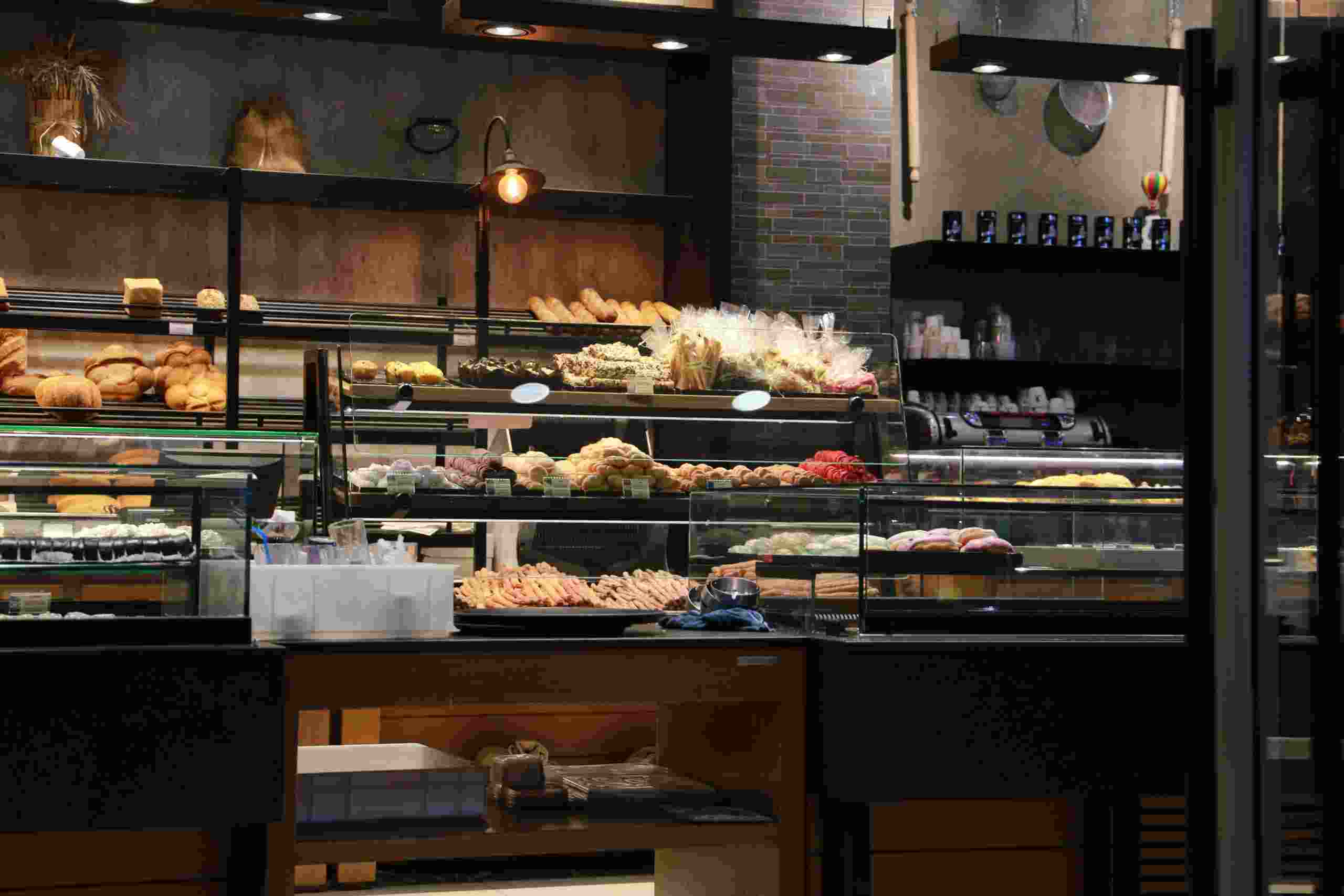
Bakeries
Food Trucks
Meat Kitchens
Catering
Franchises
Why BistroLoan
Lenders who speak restaurant.
Restaurant-Specific Underwriting
One Application, Multiple Offers
No Cost to You. Ever.
Fast & Confidential
A simple, transparent matching
process.
Affiliate Disclosure: We are an affiliate marketing website and may receive compensation from lending partners. We are not a lender, do not make credit decisions, and do not guarantee approval. Loan terms and rates are determined by individual lenders.
Ready to grow your kitchen?
BELOW THIS LINE IS FOR SEO RANKING AND INFORMATION PURPOSES!!!
About Us
Welcome to BistroLoan.com, your online resource for restaurant and food-service financing solutions. Whether you are opening your first café, launching a bakery, expanding a restaurant chain, purchasing equipment, or exploring franchise opportunities, our goal is to help connect you with financing options that may fit your business needs.
BistroLoan.com is a DBA (Doing Business As) of Feeboards LLC, a company dedicated to providing educational resources, financing information, and connections to lending opportunities for business owners across the United States.
We understand that running a restaurant, bakery, food truck, coffee shop, catering company, or hospitality business requires access to capital. From startup expenses and equipment purchases to renovations and expansion projects, financing often plays an important role in helping businesses grow and succeed. Our mission is to simplify the process by helping restaurant owners explore available funding opportunities through our lending marketplace partners.
What We Do
BistroLoan.com is not a lender, bank, or financial institution. Instead, we operate as an affiliate marketing website for a loan marketplace. When visitors use our website, they may be connected with independent lenders, lending networks, or financial service providers that offer business financing products.
Our website provides information about a variety of funding solutions that may be available to restaurant and hospitality businesses, including:
- Restaurant startup financing
- Bakery financing
- Franchise financing
- Equipment financing
- Working capital loans
- Business lines of credit
- Expansion financing
- Commercial kitchen equipment financing
- Restaurant acquisition financing
- Multi-location restaurant funding
By completing a single inquiry, business owners may be able to review multiple financing opportunities rather than contacting lenders one at a time.
Our Commitment
We believe that access to information is an important part of making informed financial decisions. That is why we strive to publish educational content covering restaurant financing, bakery funding, franchise growth, equipment purchases, business expansion, and other topics relevant to food-service entrepreneurs.
While we may receive compensation from marketplace partners and advertisers when visitors interact with certain offers, our goal is to provide useful and informative content that helps business owners better understand their financing options.
Approval decisions, loan terms, interest rates, repayment schedules, and eligibility requirements are determined solely by participating lenders and financial providers. BistroLoan.com does not make lending decisions and cannot guarantee approval for any financing product.
Who We Serve
Our resources are designed for a wide range of food-service businesses, including:
- Independent restaurants
- Bakeries
- Coffee shops
- Food trucks
- Catering companies
- Franchise operators
- Multi-unit restaurant groups
- Hospitality businesses
Whether you are starting a new venture or expanding an established operation, we aim to help you find information and financing resources that support your goals.
Contact Information
BistroLoan.com
A DBA of Feeboards LLC
Address:
935 Obenour Ct.
Monroe, Ohio 45050
Phone:
(513) 654-2196
Thank you for visiting BistroLoan.com. We appreciate the opportunity to be part of your business financing journey and look forward to helping restaurant owners, bakery operators, and hospitality entrepreneurs explore the funding solutions that may help bring their vision to life.
Restaurant Financing in 2026: Funding Startups, Expansion, Acquisitions, Franchises, and Equipment
Restaurants can require substantial capital long before the first customer places an order. Owners may need money for leases, construction, kitchen equipment, furniture, permits, technology, inventory, payroll, marketing, and working capital. Established operators can face even larger requirements when opening additional locations, purchasing competitors, entering franchise systems, or replacing expensive commercial cooking equipment.
A strong financing plan begins with the purpose of the money. Long-lived assets such as real estate and commercial kitchen equipment generally deserve different consideration from short-term expenses such as inventory or payroll. Owners should also model monthly payments before accepting financing and preserve enough working capital to handle slower-than-expected sales, repairs, staffing changes, or other unexpected costs.
The following nine sections explain important restaurant-financing considerations for startups and established operators in 2026.
1. Build a Complete Restaurant Startup Budget
Startup capital for restaurants should be calculated using a detailed opening budget rather than a rough estimate. Expenses can include lease deposits, renovations, permits, professional fees, furniture, point-of-sale systems, kitchen equipment, initial food inventory, payroll, insurance, marketing, and cash reserves.
Operators considering multi unit restaurant financing should create a separate financial model for each location. A profitable first restaurant does not automatically mean a second or third unit will immediately generate the same sales.
Restaurant merger financing can become relevant when two operating companies combine ownership, assets, employees, or locations. These transactions require careful examination of liabilities as well as anticipated benefits.
Entrepreneurs comparing franchise restaurant loans should account for more than the franchise fee. Buildout requirements, equipment standards, royalties, advertising contributions, training, inventory, and minimum working-capital expectations can materially affect total costs.
Restaurant oven financing may help qualified businesses spread the cost of expensive commercial ovens over time rather than paying the full purchase price from operating cash.
For additional restaurant-financing information, visit BistroLoan.com.
2. Match Financing to the Purpose of the Expense
Startup capital for restaurants may come from owner equity, commercial financing, investors, equipment financing, or combinations of funding sources. Owners should understand the obligations associated with every source before accepting money.
With multi unit restaurant financing, the appropriate structure may depend on whether funds are being used for construction, equipment, real estate, acquisitions, or operating expenses. Combining unrelated expenses into one financing product is not always the most efficient approach.
Restaurant merger financing should be based on realistic expectations about the combined company’s future cash flow. Mergers can create efficiencies, but they can also produce integration costs, duplicate leases, staffing changes, technology expenses, and unexpected liabilities.
Applicants evaluating franchise restaurant loans should determine which expenses the lender permits and whether the franchisor has specific financing, liquidity, or net-worth requirements.
Owners researching restaurant oven financing should compare the repayment period with the equipment’s expected useful life. Ideally, a business should not remain deeply indebted on cooking equipment that needs replacement before financing ends.
The U.S. Small Business Administration provides information about several business-financing programs at SBA loan programs.
3. Understand SBA 7(a) Financing
Eligible Startup capital for restaurants may sometimes be supported through an SBA 7(a) lender. The program can be used for several qualifying purposes, including working capital, equipment, real estate, and certain ownership transactions.
Restaurants pursuing multi unit restaurant financing may investigate SBA-backed options when an expansion involves several qualifying business expenses. Approval, available amounts, collateral, and terms remain subject to lender underwriting and SBA requirements.
Restaurant merger financing involving an ownership change may also warrant a discussion with an SBA lender because eligible 7(a) financing can support complete or partial changes of business ownership.
Some applicants seeking franchise restaurant loans may qualify for SBA-backed financing if the borrower, franchise relationship, and proposed transaction meet applicable requirements. Participation in a franchise system does not itself guarantee approval.
Restaurant oven financing may also fall within permitted equipment uses under an eligible SBA transaction because 7(a) funds can be used to purchase and install qualifying machinery and equipment.
Owners can review current requirements through the SBA 7(a) program and compare them with conventional bank and equipment-financing alternatives.
4. Calculate Monthly Payments Before Borrowing
Before obtaining Startup capital for restaurants, owners should estimate how debt payments will affect cash flow after rent, food costs, payroll, utilities, insurance, taxes, merchant-processing expenses, and other recurring costs.
With multi unit restaurant financing, owners should model both the individual location and consolidated organization. One weak opening can temporarily require support from the more established locations.
Restaurant merger financing should also be tested under conservative scenarios. Expected savings from combining management, purchasing, marketing, or administration may take months to materialize.
Operators evaluating franchise restaurant loans should include royalties, required advertising payments, technology charges, and other franchisor expenses when calculating available cash for debt service.
A business considering restaurant oven financing can use payment scenarios to understand how the cost changes at different rates. The following example assumes a hypothetical $150,000 balance repaid over seven years.
| Illustrative Rate | Approx. Monthly Payment | Approx. Total Repaid |
|---|---|---|
| 6% | $2,191 | $184,000 |
| 8% | $2,338 | $196,400 |
| 10% | $2,490 | $209,200 |
| 12% | $2,648 | $222,400 |
| 14% | $2,812 | $236,200 |
Illustrative Monthly Payment Graph
6%   ███████████████████        $2,191
8%   █████████████████████      $2,338
10%  ██████████████████████     $2,490
12%  ████████████████████████   $2,648
14%  ██████████████████████████ $2,812
These figures are hypothetical illustrations, not current lender quotes, market averages, or guaranteed terms.
5. Finance Expansion to Multiple Locations Carefully
Startup capital for restaurants remains important even for experienced operators because every new location effectively has its own startup period. Rent may begin before opening, while construction, hiring, and training create costs months before full revenue develops.
Multi unit restaurant financing should therefore include both project expenses and adequate reserves. Owners should estimate how long each new location may take to achieve sustainable sales.
When expansion includes acquiring another restaurant group, restaurant merger financing can add another layer of complexity. Existing debt, leases, employee obligations, vendor contracts, and equipment condition should be examined carefully.
Some franchise restaurant loans may support operators opening additional units within the same franchise system. However, franchisor approval for expansion and lender approval for financing are separate processes.
Restaurant oven financing may become particularly useful when several new kitchens require the same equipment simultaneously. Bulk purchases can create substantial capital demands even for successful operators.
A strong expansion plan should show why the new market was selected, how each location will be managed, projected labor requirements, expected sales, construction timelines, and contingency reserves.
6. Evaluate Restaurant Acquisitions and Mergers
Startup capital for restaurants is not limited to brand-new concepts. A buyer acquiring an existing restaurant may still need capital for renovations, inventory, technology upgrades, staffing changes, marketing, and post-closing working capital.
Operators seeking multi unit restaurant financing through acquisitions should analyze each restaurant individually. A portfolio may include strong, average, and underperforming units that require different strategies.
Restaurant merger financing should be supported by thorough financial due diligence. Buyers should review tax returns, profit-and-loss statements, balance sheets, existing loans, leases, vendor contracts, payroll, equipment inventories, and historical sales.
Businesses investigating franchise restaurant loans for acquisitions should also determine whether the franchisor must approve the transfer, remodeling plans, management team, or buyer qualifications.
A buyer using restaurant oven financing after an acquisition should inspect existing kitchen equipment before closing. Deferred replacement needs can materially increase the true acquisition cost.
SBA guidance on financing ownership changes and other qualifying business expenses is available through the SBA lender information page.
7. Plan Franchise Financing Around the Entire Investment
When entering a franchise system, Startup capital for restaurants should include all required costs rather than simply the initial franchise payment. Construction, equipment packages, signage, opening inventory, training, technology, insurance, and reserves can significantly increase the required investment.
Experienced operators using multi unit restaurant financing for a franchise development agreement should be especially careful about timing. Commitments to open multiple locations can create overlapping construction and pre-opening expenses.
If two franchise operators combine businesses, restaurant merger financing may be used to explore ways of funding the transaction, but existing franchise agreements and transfer requirements must be reviewed.
Applicants comparing franchise restaurant loans should understand the distinction between franchisor approval and credit approval. A franchisor accepting a new operator does not obligate a financial institution to finance the project.
Commercial kitchen packages can be expensive, so restaurant oven financing may be considered alongside financing for refrigeration, fryers, ranges, ventilation systems, dishwashers, and food-preparation equipment.
The Federal Trade Commission’s franchise guidance provides useful information for prospective franchise buyers reviewing disclosures and potential obligations.
8. Protect Working Capital During Construction and Growth
Startup capital for restaurants should contain a meaningful working-capital component. Owners who spend all available funds on construction and equipment may struggle to cover payroll, inventory, utilities, marketing, and unexpected repairs after opening.
Businesses using multi unit restaurant financing should maintain reserves at both the location and company level. Temporary weakness at one restaurant can place pressure on the entire organization.
A company pursuing restaurant merger financing should also anticipate integration expenses. Combining accounting systems, payroll, branding, menus, purchasing, technology, and management structures can cost more than initially expected.
Applicants evaluating franchise restaurant loans should ask whether working capital can be included and determine how much liquidity remains after required owner contributions and pre-opening expenses.
Using restaurant oven financing instead of paying entirely from cash may preserve liquidity, although owners should still compare the financing expense with the benefit of keeping those funds available.
SBA 7(a) financing can support eligible short- and long-term working-capital purposes. Program details and borrower requirements should be confirmed through participating lenders and the official SBA website.
9. Prepare a Strong Restaurant Financing Package
Before requesting Startup capital for restaurants, owners should assemble a comprehensive financing package. Depending on the transaction, lenders may request tax returns, financial statements, ownership information, business plans, projections, leases, equipment quotes, construction estimates, and personal financial information.
Applicants pursuing multi unit restaurant financing should provide location-by-location financial information whenever possible. This allows lenders to understand which units generate cash and how future locations are expected to perform.
For restaurant merger financing, buyers should provide clear details about purchase price, ownership structure, existing liabilities, projected cost savings, integration expenses, and anticipated post-transaction cash flow.
Applicants comparing franchise restaurant loans should keep copies of the franchise agreement, Franchise Disclosure Document, development agreement where applicable, construction requirements, and estimates for mandatory equipment.
Owners applying for restaurant oven financing should prepare vendor quotes showing the model, purchase price, installation costs, delivery costs, warranties, and any necessary kitchen modifications.
For restaurant-focused internal resources, visit BistroLoan.com. For independent information, review SBA 7(a) financing, SBA loan programs, and the FTC franchise guide.
Final Thoughts
Restaurant financing should be based on a detailed understanding of how the money will be used. Opening a first location, developing several restaurants, buying an established operator, joining a franchise system, and replacing commercial kitchen equipment are different projects with different financial characteristics.
Owners should begin with a complete use-of-funds budget and then add reasonable contingency reserves. Construction delays, equipment changes, permit issues, staffing shortages, or slower-than-expected sales can increase the amount of cash required before a restaurant becomes stable.
Cash-flow modeling is equally important. An affordable project is not determined solely by whether a lender approves the requested amount. Owners should calculate what the business looks like after monthly debt service is added to rent, payroll, food costs, utilities, insurance, marketing, and other operating expenses.
SBA-backed programs can provide options for eligible businesses, while conventional banks, equipment-finance providers, and other commercial sources may offer alternatives. Owners should compare the complete economics of each proposal rather than focusing only on advertised rates or monthly payments.
Restaurant operators should also maintain sufficient liquidity after closing. A newly opened or acquired restaurant can have excellent long-term prospects while still experiencing short-term cash-flow challenges.
Finally, financing marketplaces and affiliate websites can help business owners explore potential options, but they should not be represented as the lender when they are not. Actual approval decisions, amounts, rates, fees, collateral requirements, and repayment terms are determined by the financing providers.